


Mold Remediation & Encapsulation
With an estimated 70% of homes containing mold, our mold encapsulation and removal services are an important part of keeping our customers safe and healthy.
Correcting Degradation Caused by Mold
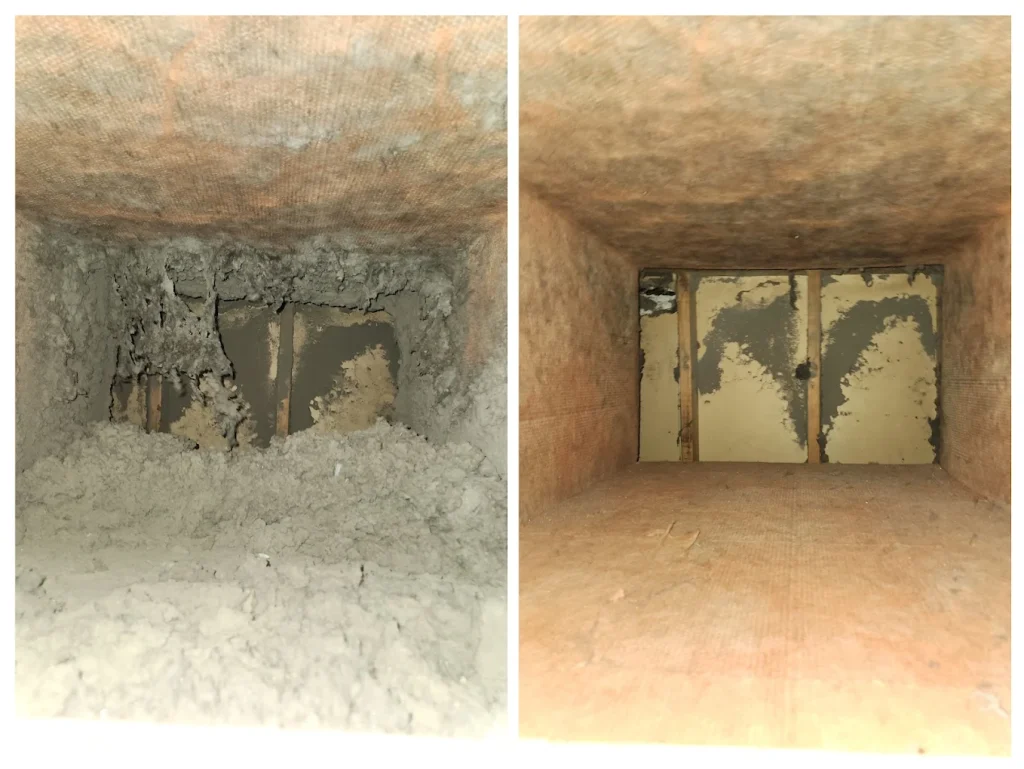
Supply and return ductwork in the home is constructed from fiberglass ductboard. The existing ductboard shows signs of loose fiberglass and microbial growth, indicating deterioration that requires corrective action to prevent further degradation of the system.
Purpose of Encapsulation
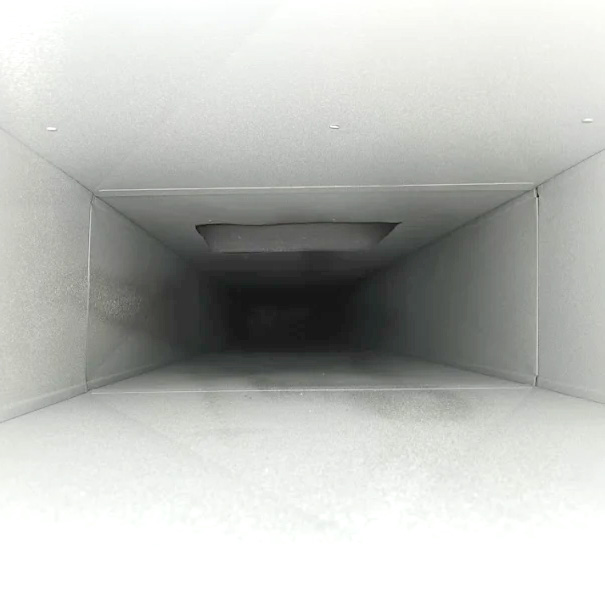
Encapsulation is recommended as a long-term solution for addressing mold growth and deteriorated fiberglass within the duct system. This process seals the interior surfaces of the ductwork, preventing loose fibers, microbial activity, and future contamination from affecting the air moving through the HVAC system.
Access and Preparation
To properly treat all duct runs, technicians will cut access doors into the ductboard. These access points allow full visibility and reach into each section of the duct system. After the work is completed, all access doors will be sealed using UL-rated materials to ensure the duct system remains airtight and compliant with industry standards.
Encapsulation Process
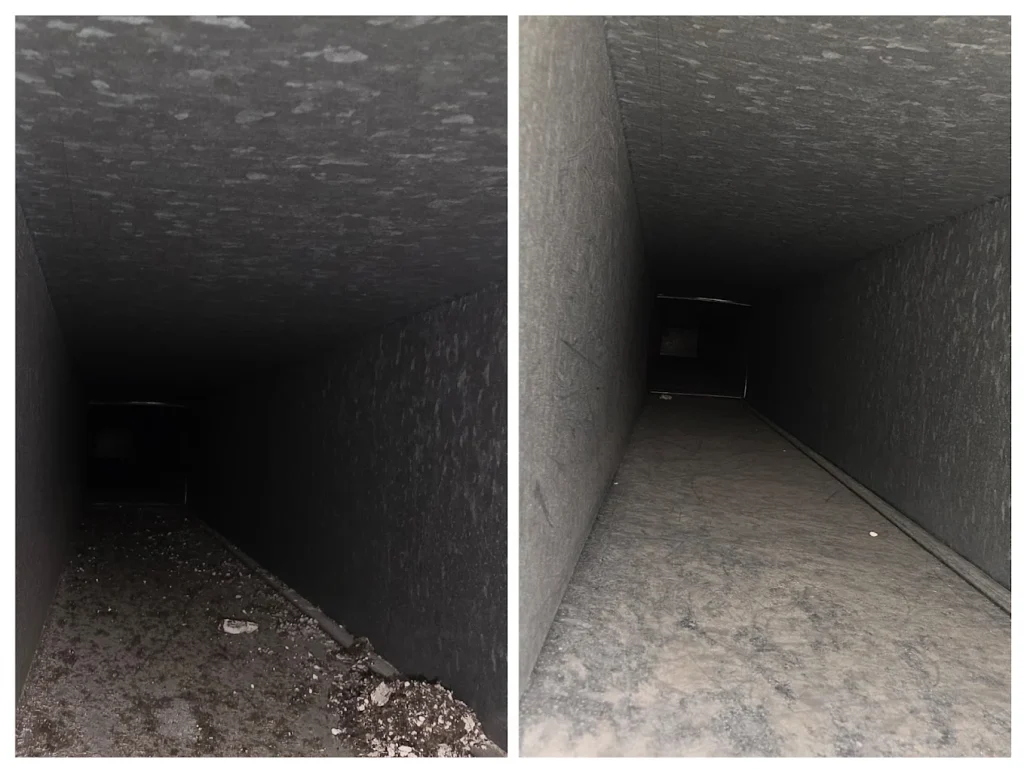
Technicians will apply an encapsulation product to every interior surface of the fiberglass ductwork. This includes all supply and return runs. The coating is designed to seal the fiberglass and inhibit the future growth of any suspected microbial contaminants.
The encapsulation material will be applied using a Graco 695 airless sprayer to ensure complete and uniform coverage.
Encapsulation Product Information
The sealant used for this process is RE-500, manufactured by Carlisle. It is a low-VOC, non-harmful product suitable for use in spaces occupied by humans and animals. Material Safety Data Sheets (MSDS) can be provided upon request.