


Dryer Duct Cleaning
Clogged dryer vents not only make your dryer run less efficiently, but they can lead to increased danger of fire as well. Your dryer vent should be cleaned at a minimum of once per year.
Dryer Vent and Fire Safety
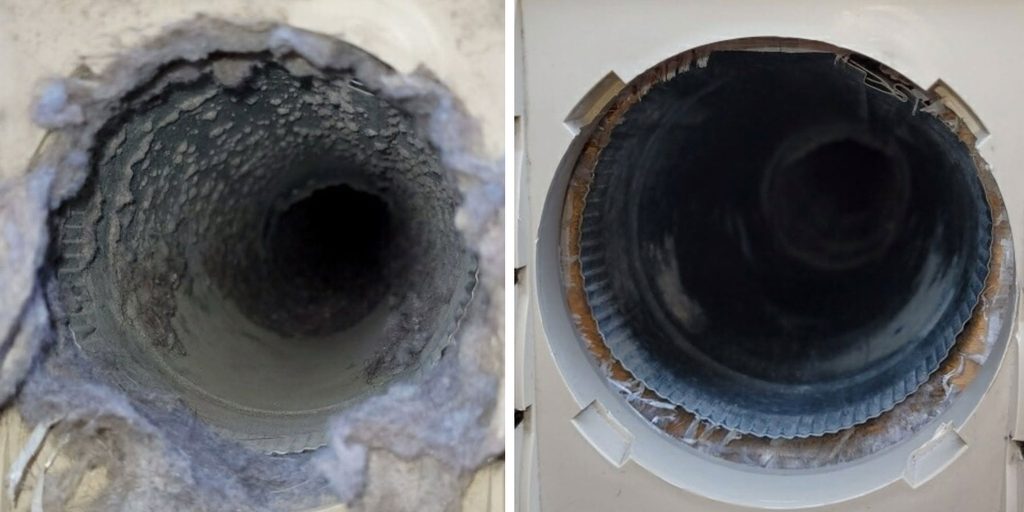
Clothes dryers are a common source of residential fires, primarily due to lint buildup, restricted airflow, and improperly installed or deteriorated venting materials.
Ensuring the dryer vent system is clean, unobstructed, and properly constructed is essential for maintaining safe operation and reducing fire risk within the home.
Why Dryer Vent Safety Matters
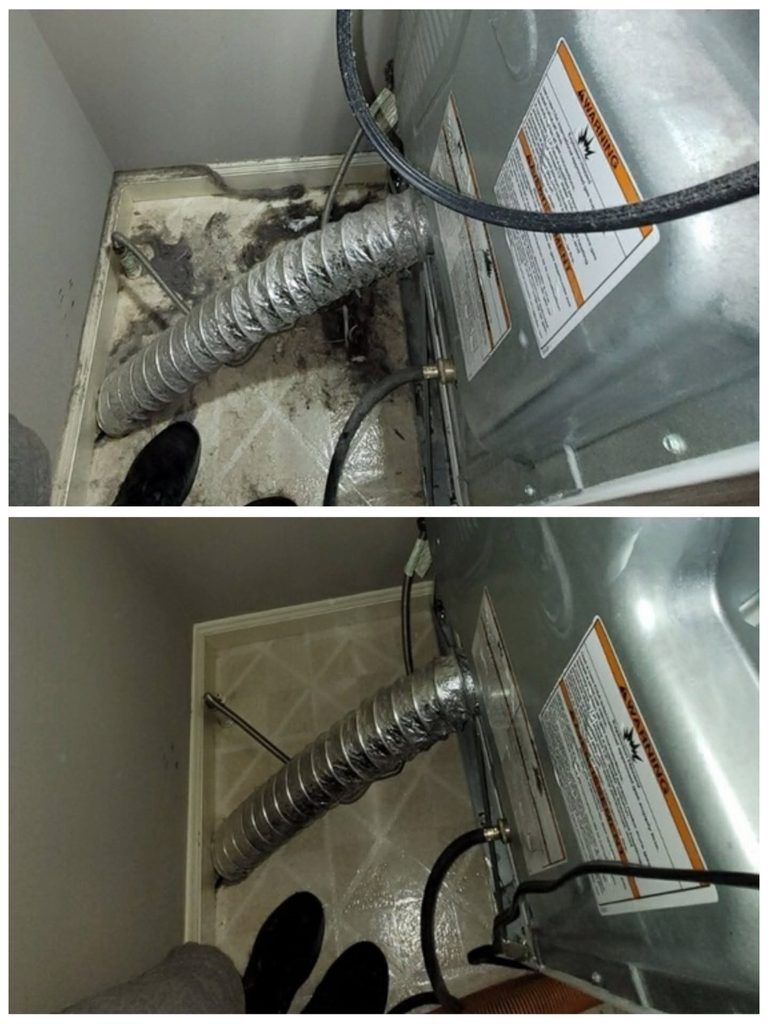
Dryers generate high heat, and lint is an extremely flammable material. When lint accumulates inside the vent, exhaust duct, or around the dryer cabinet, it restricts airflow and causes the dryer to overheat. This overheating is one of the leading causes of dryer-related fires in residential properties.
Common Fire Hazards Identified
- Lint Accumulation — Excess lint inside the vent or around the dryer increases
ignition risk. - Improper Venting Materials — Flexible plastic or foil vents can collapse, trap
lint, and ignite more easily than rigid metal ducting. - Blocked or Damaged Exhaust Path — Crushed, disconnected, or excessively
long vent runs reduce airflow and cause heat buildup. - Lack of Routine Maintenance — Failure to clean the vent system regularly
allows hazardous conditions to develop over time.
Recommended Safety Measures
- Use Proper Venting Materials — Rigid or semi-rigid metal ducting is recommended for safe airflow and reduced fire risk.
- Annual Professional Cleaning — A full vent cleaning removes lint buildup throughout the entire run, including areas not accessible from the dryer itself.
- Inspect Vent Termination — Exterior vent hoods should open freely and be free of obstructions such as nests, debris, or damaged louvers.
- Check for Excessive Heat — If the dryer or laundry room feels unusually hot, it may indicate restricted airflow.
- Monitor Drying Times — Longer drying cycles often signal a clogged vent or airflow restriction.
Benefits of Proper Dryer Vent Maintenance
- Reduced risk of dryer-related fires
- Improved dryer efficiency and shorter drying times
- Lower energy consumption
- Extended lifespan of the dryer
- Cleaner indoor air by preventing lint and moisture recirculation
Our Dryer Duct Cleaning Services
Proper dryer duct maintenance is essential for reducing fire hazards, improving appliance efficiency, and ensuring safe exhaust airflow. This service focuses on fully clearing the dryer’s exhaust pathway, addressing any damaged components, and removing accumulated lint and debris from both the ductwork and the dryer itself.
Exterior Vent & Duct Cleaning
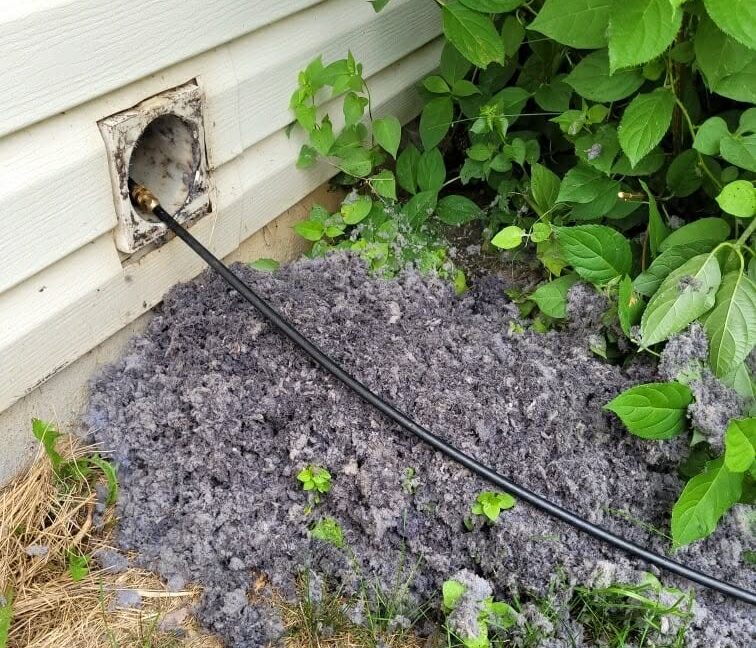
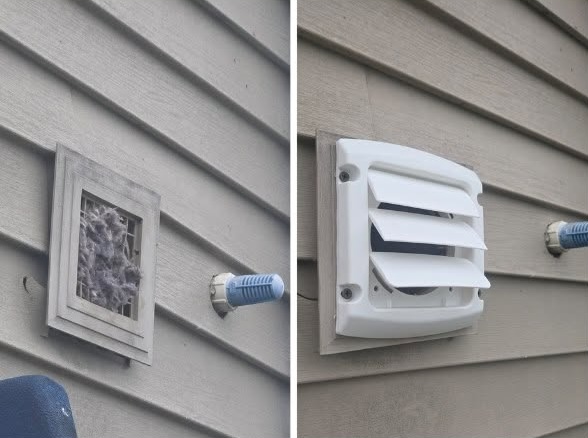
- Exterior vent cleaning — The outside vent cover is removed to allow full access to the exhaust duct.
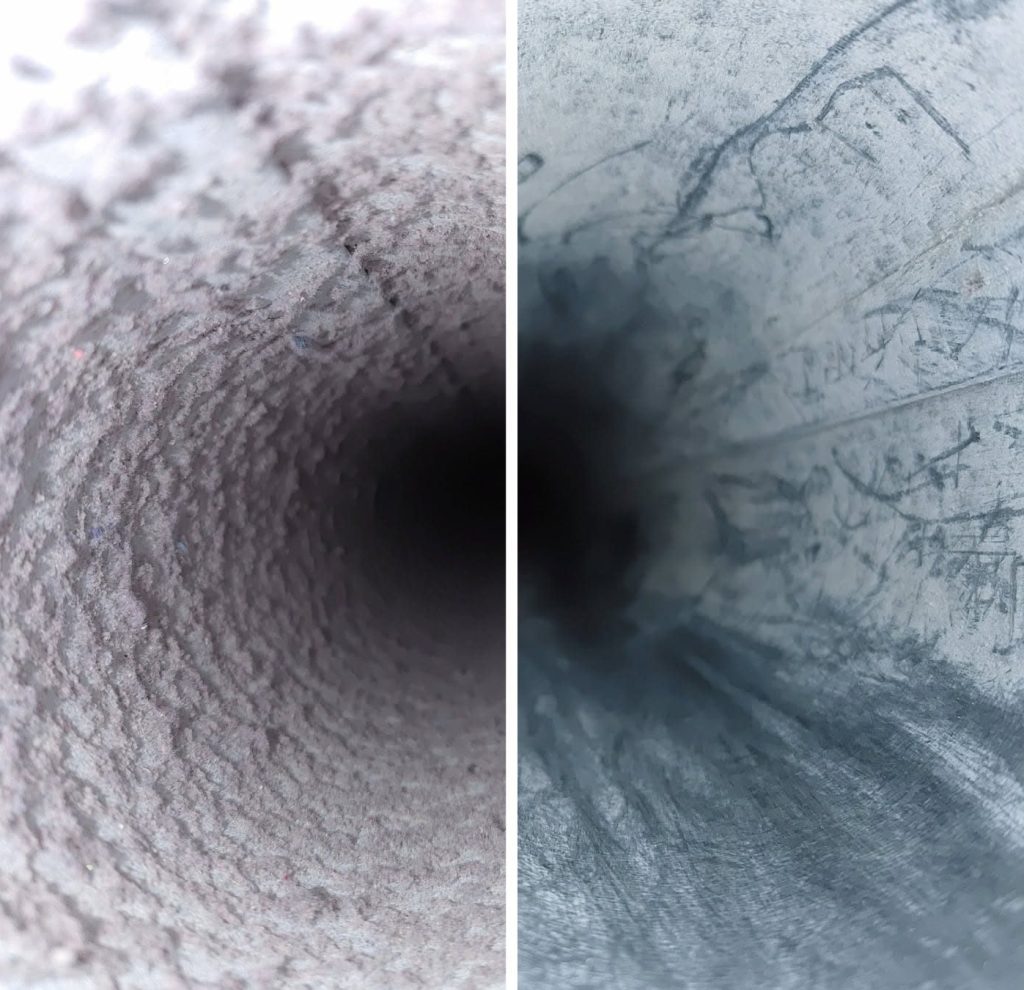
- Pneumatic reverse-air cleaning — Technicians use pneumatic reverse lances to clean the entire length of the duct, pulling lint and debris outward through the exterior termination point. This method ensures maximum airflow restoration and reduces fire risk.
Repairs & Component Adjustments
- Onsite duct repairs — Any damaged or improperly connected duct components are repaired or replaced at no additional cost when standard parts are available.
- Specialty vent replacements may vary in cost depending on style and color options.
Dryer Interior Cleaning
- Dryer pull-out service — The dryer is carefully moved away from the wall to access the rear and internal components.
- Internal lint removal — Technicians vacuum the back of the dryer, the fan housing, and internal compartments where lint commonly accumulates. This step helps prevent overheating and improves appliance performance.
Dryer Duct Remediation
Dryer duct remediation involves removing unsafe or damaged ductwork and rebuilding a properly functioning exhaust pathway that meets current safety and performance standards. This process improves airflow, reduces fire risk, and ensures the dryer exhausts efficiently to the exterior of the home.
Removal of Damaged Ductwork
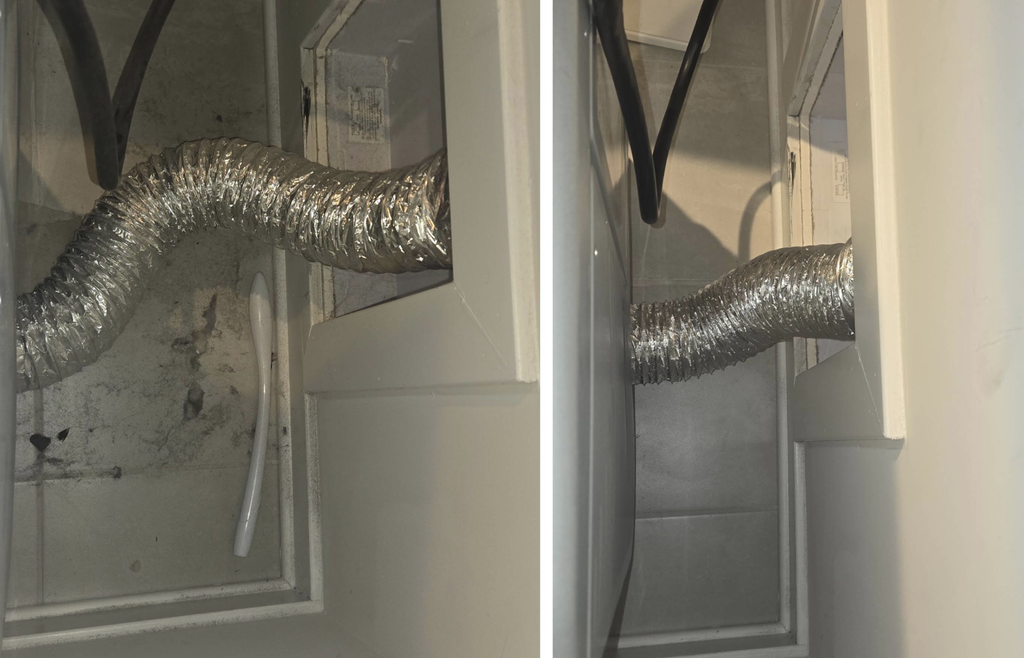
- Existing duct removal — All damaged ductwork running from the dryer to the exterior of the home—approximately 10–15 feet—is removed to eliminate airflow restrictions and fire hazards.
Installation of New Code-Compliant Ducting
- Galvanized metal duct installation is 26-gauge galvanized 4-inch round duct.
- Proper elbow configuration — Up to three 90° elbows are used to connect the dryer to the new exterior vent termination while maintaining compliance with CDET standards for safe airflow.
Work Area & Access Requirements
- Laundry nook reconstruction — Most remediation work occurs in the laundry nook and at the exterior wall where the duct is rebuilt piece by piece.
- Drywall access door — A drywall access door may be installed if needed to properly rebuild and secure the duct pathway.
Sealing & Support
- UL-rated joint sealing — All duct joints are sealed using UL-rated materials to ensure airtight, safe operation.
- Steel strapping support — The duct is properly supported with steel strapping to maintain stability and prevent sagging or separation.
Exterior Vent Upgrade
- New vent cover installation — One brand-new exterior vent cover with gravity dampers is installed to promote proper airflow and prevent pests or debris from entering the duct.